Tuberous Begonia Diseases
This can be overcome by giving the plants adequate air circulation. Botrytis blight also causes the seedlings to damp-off.
Garden Docs What S Eating My Begonia
A variety of diseases affect tuberous begonia leaves.
Tuberous begonia diseases. How to Grow Tuberous Begonias. Unfortunately the warmth also activates the pests and diseases which adversely affect our Begonias. Remove any damaged leaves or stems and treat plants affected by insect pests with a horticultural oil and baking soda mix.
Begonias are susceptible to a wide variety of fungi bacteria and viruses as well as nematodes and abiotic diseases. Rubella has been used to treat wounds chest pains and to cure boils. Powdery mildew is the most serious disease affecting tuberous begonias.
Bacterial leaf spot or blight of begonia is one of the most widespread begonia diseases and is caused by Xanthomonas campestris pv. Mix 1 tablespoon horticultural oil and 1 tablespoon baking soda with 1. Begonias need moist well-drained soil and are likely to rot in soggy conditions.
Sheet 555 Pests and Diseases For Begonia growers the winter and early spring months are very long but by now we can expect some good growth. The bushy begonias usually grow between 12 and 18 30 45 cm tall and wide. The infected begonia plant typically develops a gray fuzzy mold as the blight progresses.
Spraying with a good systemic fungicide at intervals before flowering can be used. Wherever begonias are grown. Infected begonia plants die if the disease is left untreated.
The roots eventually turn mushy and collapse. Here are some beautiful and popular tuberous Begonia varieties. Powdery mildew is the most serious problem.
Worldwide Begonia plants have been used as food and for their medicinal properties. Baiting can control snails slugs and earwigs. Treatment - treatment with drugs.
People also eat their petioles which are described as having a sour taste. Tuberous begonias can strike infectious diseases. The disease has been recorded on Begonia alba B.
Tan spots and sometimes water-soaked lesions appear on the foliage and stems of the plant. This can be corrected by adequate air circulation. In Nepal tuberous Begonia B.
Bacterial Leaf Spot and Blight. Tuberous begonias are relatively free of these. Aster Yellows is a disease caused by leafhoppers that results in spindly growth and yellow veins on young begonia leaves.
From the strong heat and humidity on the leaves white scurf is formed. The systemic nature of some of the pathogens makes it likely that the. Hookeri B x drostii B.
Begonias with botrytis blight decline rapidly. A location in dappled or filtered light also works well but the plants wont survive midday sun or heat. BEGONIA SOCIETY OF WESTERN AUSTRALIA Growing BegoniasGrowing Begonias Info.
Common Varieties and Cultivars. The resulting grubs burrow into the tuber munching away and causing irreparable damage. Water-soaked areas surrounded by yellow halos develop on leaves.
As with most plant diseases prevention is the best cure. The vine weevil beetle has become the arch enemy of the begonia grower not that the beetle itself causes any damage the problem is that it lays eggs in the compost. Tuberous begonias are available at most garden centers at spring planting time.
The disease occurs on Rieger Elatior Lorra ine Elatior tuberous fibrous-rooted and Rex begonias with the most severe problems on Rieger Elatiors. Rex begonias have rhizomatous roots and are popular houseplants due to their pointed leaves with fascinating patterns. Purchase plants free of the disease.
Particularly Rieger-types which are systemically infected. Although tuberous begonias are shade-loving plants they also require a bit of morning or late afternoon sunlight. Plants slowly die one leaf at a time.
8 rows Disease Symptoms PathogenCause Management. On the leaves appear sticky spots of brown color which gradually pass to the stem. However its prevalence is decreasing every year with the development of more resistant hybrids and the use of improved control materials.
The begonias root system becomes water-soaked and discolored. Tuberous begonias grow from roots called corms or tubers but often called begonia bulbs. Begonia tubers produce some of the most spectacular blooms of all the begonia species.
For proper watering first find the type of soil and type of soil drainage favorable for the plant. This disease first appears on the underside of older. Botrytis of begonia is also known as botrytis blight.
Tuberous Begonias are relatively free of injurious pests or diseases. Powdery mildew is the most serious problem you will encounter. It is caused by the fungus Botrytis cinerea and is most likely to appear when temperatures dip and moisture levels rise.
Powdery mildew which occurs in crowded or shady conditions causes white powdery spots on both sides of the leaves and greasy spots on their.
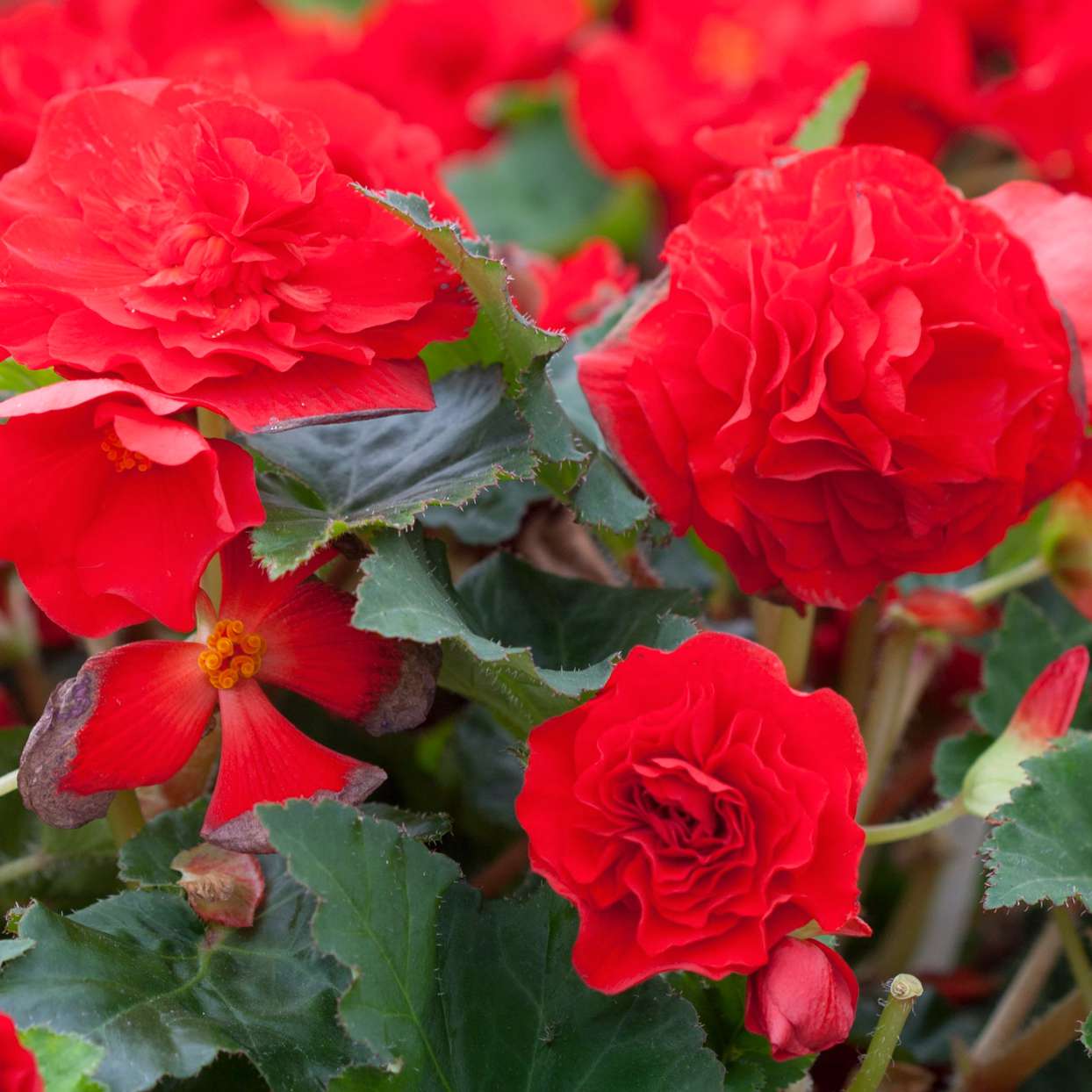
Tuberous Begonia Better Homes Gardens

Tuberous Begonia Problems

Begonia Powdery Mildew Pacific Northwest Pest Management Handbooks

Begonias With Leaf Spot Information On Begonia Bacterial Leaf Spot Treatment

Diseases And Pests Of Begonias Their Description And Methods Of Dealing With Them What Are The Reasons Why Begonias Have Buds And Leaves

Begonia Home Garden Information Center
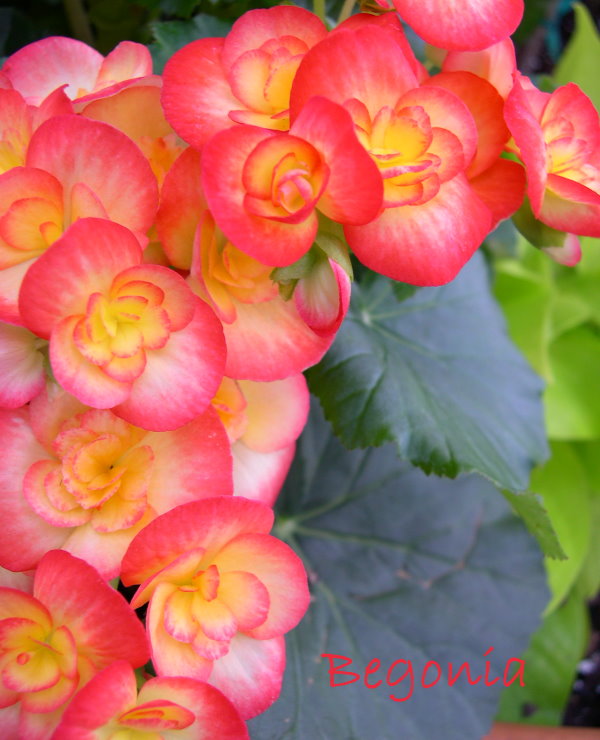
Begonia Care Tips Tuberous Begonia Hybrids

Why Are Begonia Leaves Turning Brown Crispy Plant Index

Problems With Begonias And Stem Rot

Pests Diseases

Tuberous Begonia Growing Guide Stuff Co Nz

All About Begonias The Good Earth Garden Center

Pests Diseases

Pests Diseases

Tuberous Begonia Tissue Culture Plant Propagation By R Strouse

Tuberous Begonia Nonstop Series Plant Seeds Pelleted Deep Salmon 100 Seeds Annual Decorative Flower Plant Houseplant Walmart Com Flower Seeds Tuberous Begonia Flowers

How To Grow Tuberous Begonias Planting Tuberous Begonias Bulbs
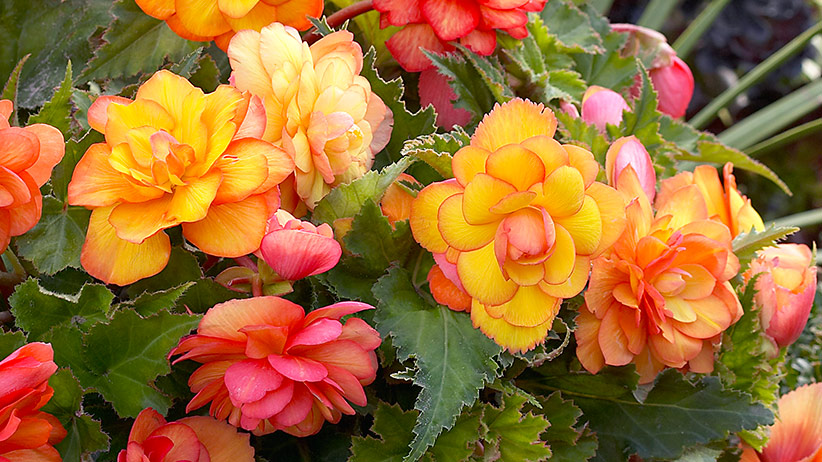
How To Grow Tuberous Begonias Garden Gate
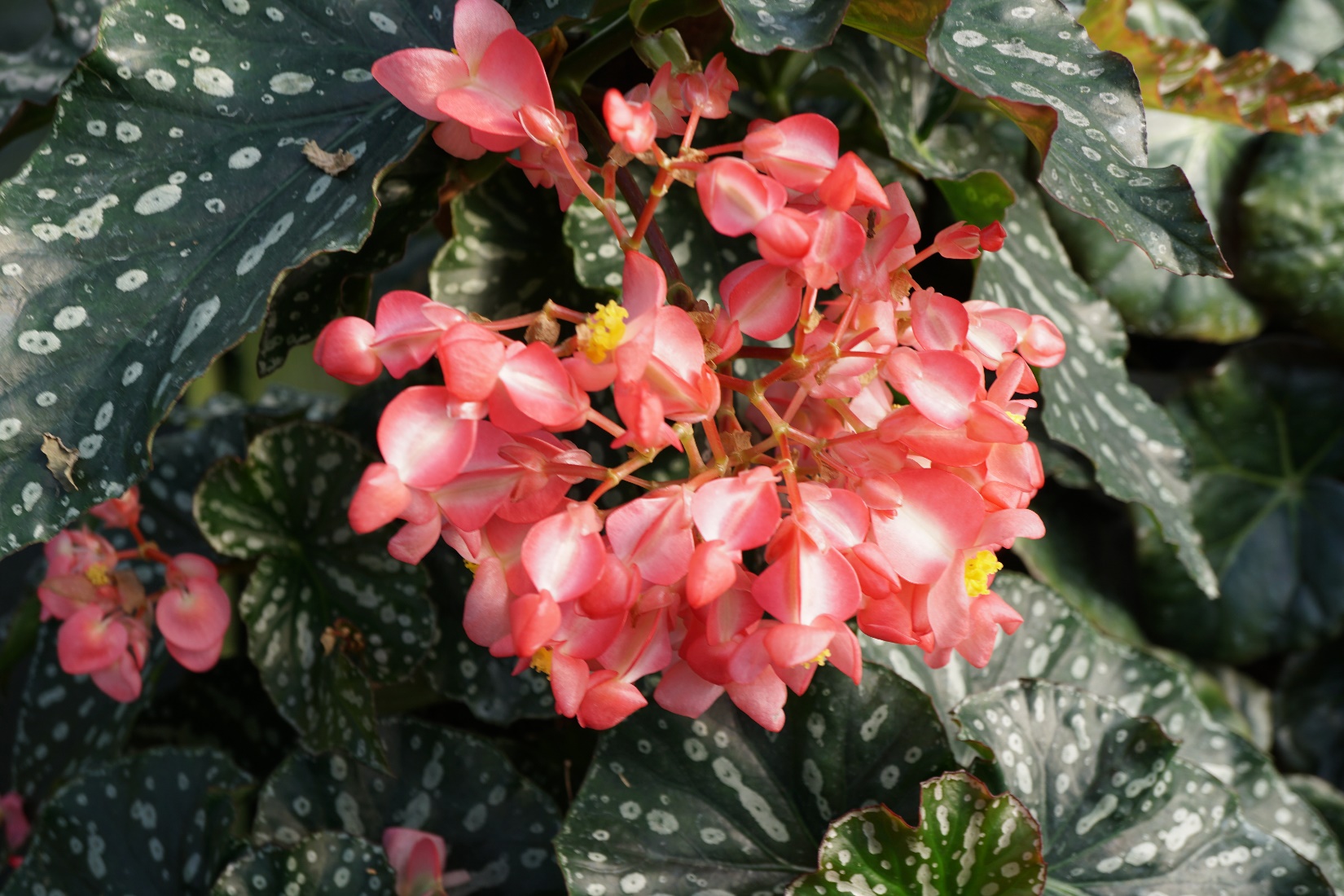
Begonia Home Garden Information Center


Comments
Post a Comment